What grade of alarm does my business need?
Intruder alarms in the UK are graded 1 to 4 based on the level of risk and the sophistication of intruder the system is expected to resist. As a general guide, Grade 1 covers low-risk premises, Grade 2 is typical for most small businesses, Grade 3 is used for higher-risk premises such as those holding high-value stock, and Grade 4 covers critical security such as banking and jewellery.
The important point: your grade should come from an honest risk assessment of your premises, not from preference or budget. If you're insured, your insurer may also specify a minimum grade — and installing below it can affect a claim. This is one of the first things worth checking before any system is specified.
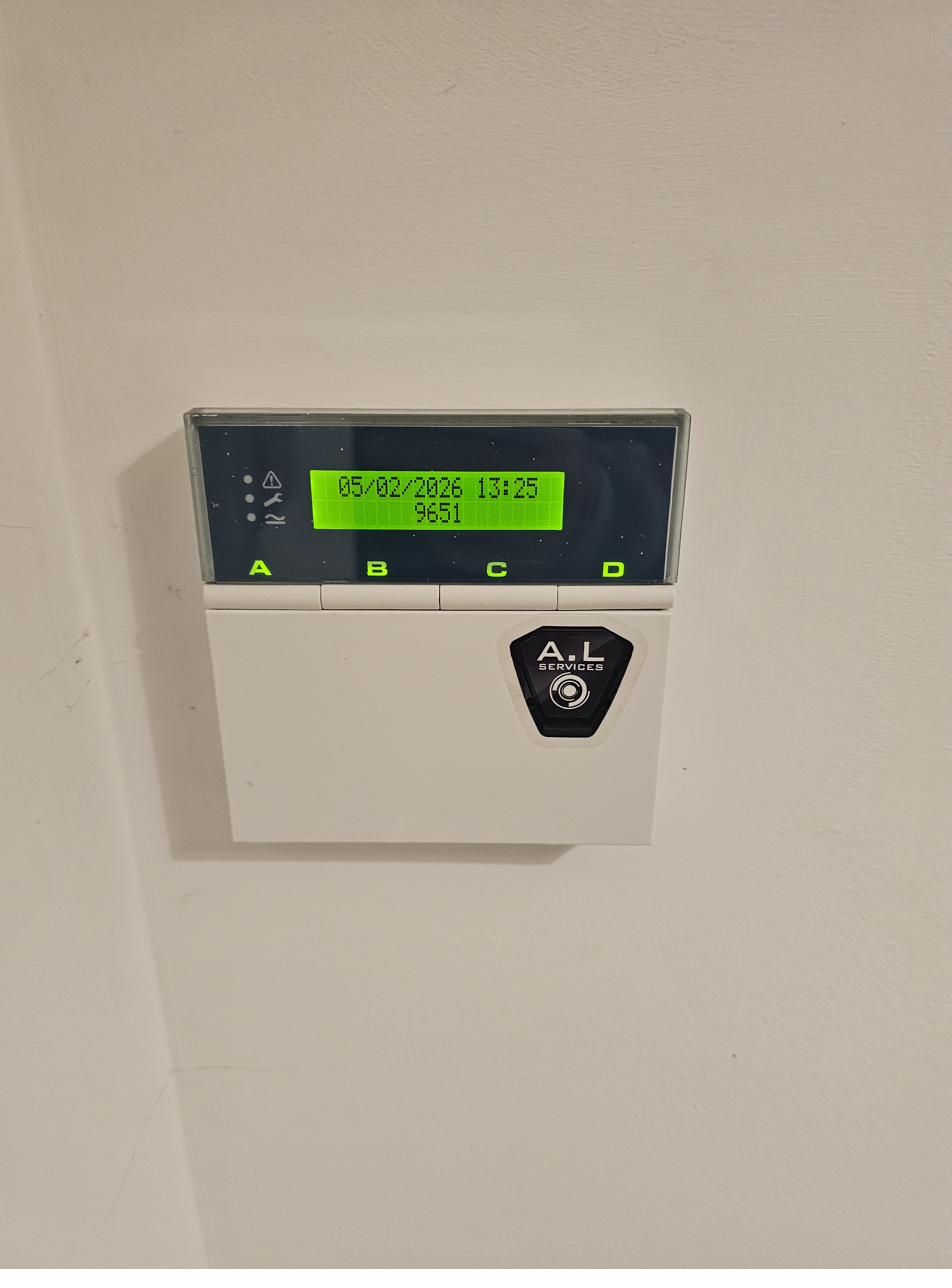
What's the difference between a bells-only and a monitored alarm?
A bells-only (audible) alarm sounds a siren and relies on someone nearby hearing it and acting. On a town-centre premises with neighbours, that can be enough. On an isolated yard, unit or farm, a siren going off at 2am with nobody in earshot achieves very little.
A monitored alarm sends a signal to a 24-hour alarm receiving centre, which then follows an agreed response — contacting keyholders, and in some configurations contacting police.
There's also app-based self-monitoring, where the system alerts you directly on your phone. That's genuinely useful and increasingly good, but it depends on you being awake, in signal and able to act.
Which is right depends on the site, and there's a fuller explanation on our monitored vs bells-only alarms page.
Wired or wireless — which is better for a business?
Both work well when specified correctly; the choice is usually driven by the building.
Wired systems are the traditional choice for permanent commercial premises. No batteries to replace in detectors, extremely reliable, and generally the better option where a building is being fitted out or where cable runs are achievable.
Wireless systems are ideal where cabling is difficult, disruptive or impossible — older stone buildings, listed properties, farm buildings, occupied premises where you can't have walls chased out, or where a site is likely to change use.
Hybrid systems combine both, which on a multi-building site is often the sensible answer: wired where it's easy, wireless where it isn't.
What does a business alarm installation include?
A site survey to identify genuine entry points and risk areas, a system design specifying detector types and positions, professional installation and configuration, a full walkthrough of how to arm, disarm and manage the system, and ongoing support and servicing.
Alarm systems require regular maintenance to stay reliable and to satisfy insurers — servicing intervals differ depending on whether a system is bells-only or monitored.
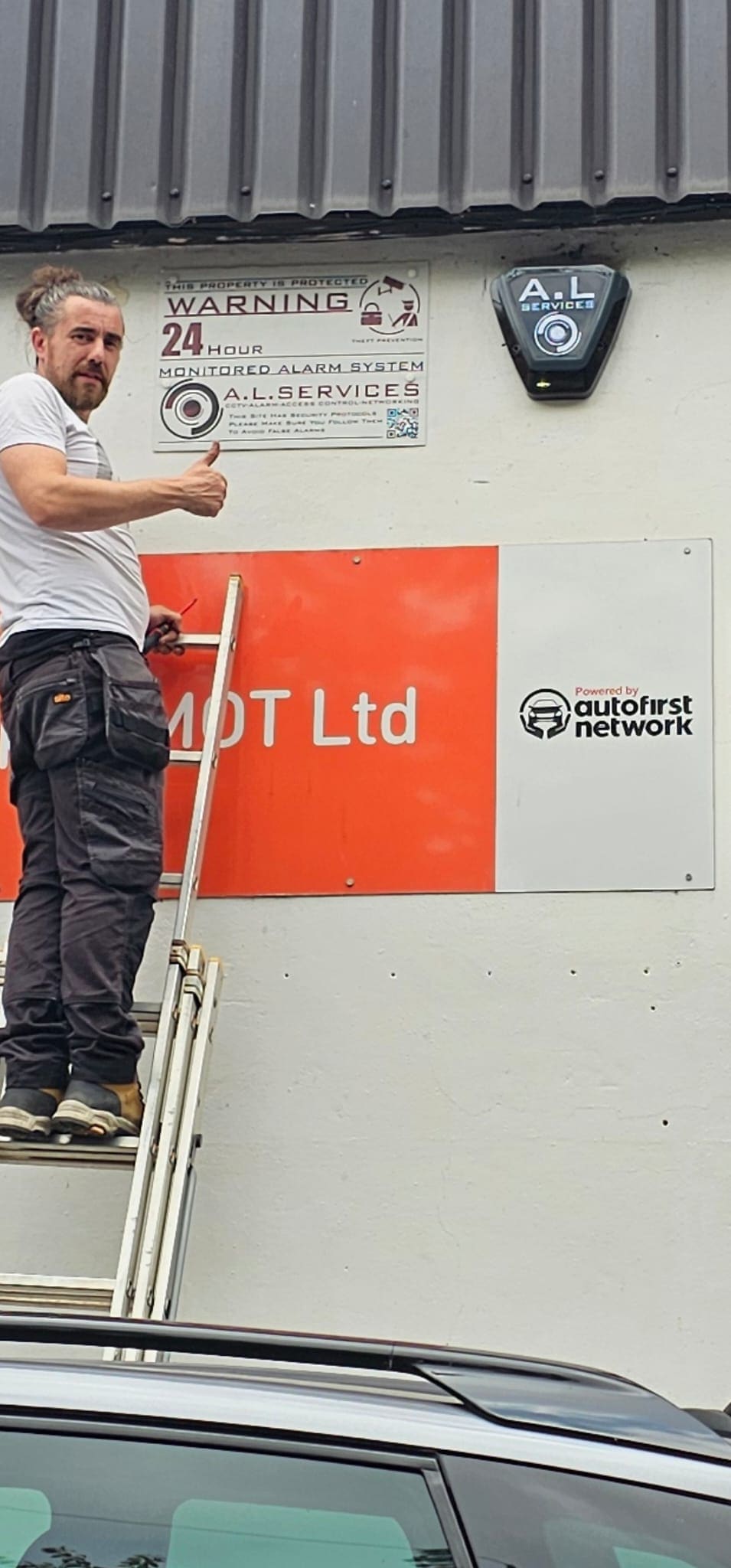
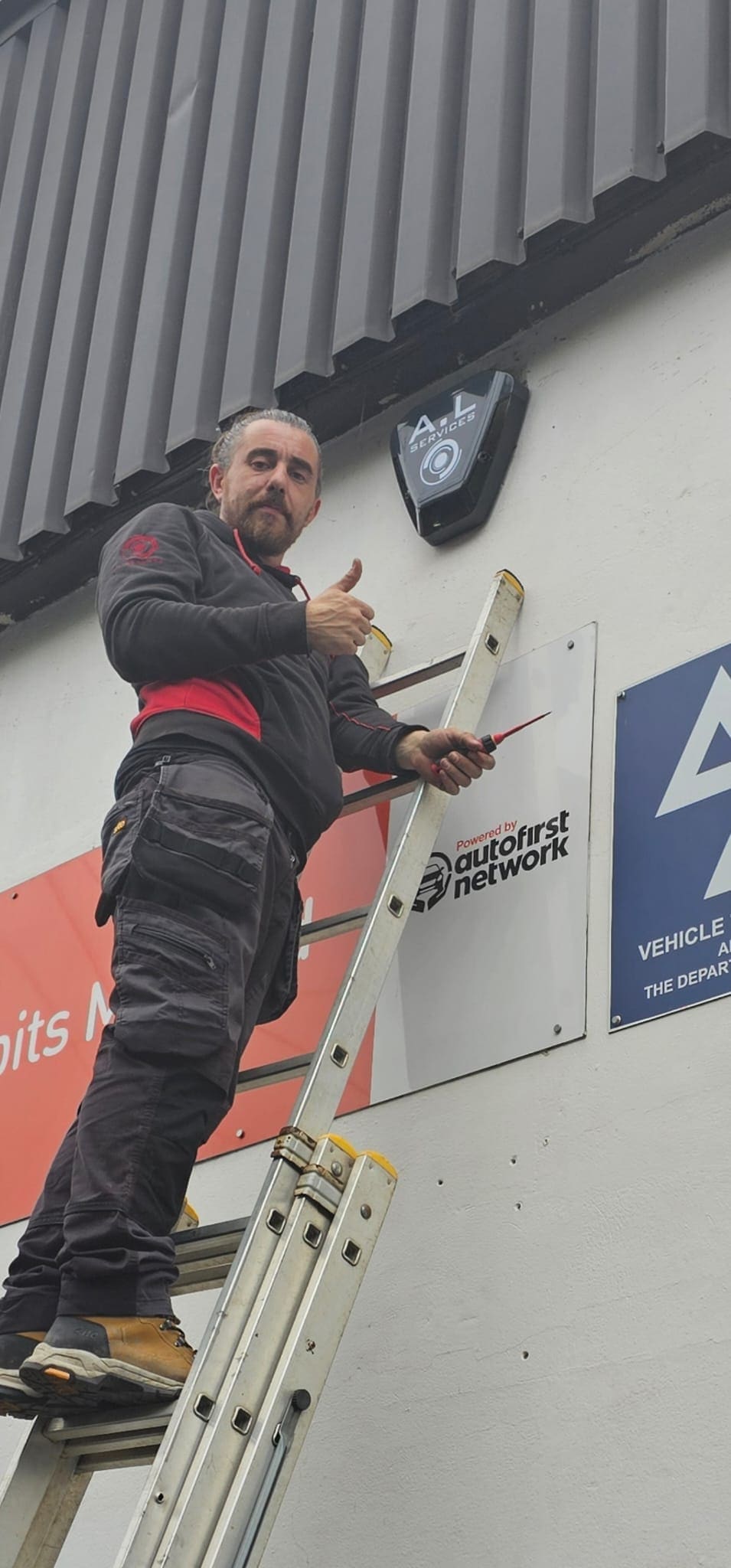
A recent business alarm install — more photographs on our work page.