Why is rural crime such a problem for farms?
Because farm theft is organised, targeted and expensive. Rural crime cost the UK an estimated £41.5 million in 2025 according to NFU Mutual's Rural Crime Report, and while the overall figure has fallen for two consecutive years, several categories have risen sharply — agricultural vehicle theft claims rose 18% to around £8.3 million, and quad bike and ATV theft rose 31%.
The pattern matters more than the numbers. Thieves targeting farms typically visit a site before they steal from it. They look at access, at what's stored where, at whether there's lighting, and at how long they'd have before anyone reacted. A system that makes that reconnaissance visit uncomfortable is worth more than one that only records the theft afterwards.
Why doesn't standard CCTV work on a farm?
Two reasons, and they're linked.
Distance. Cameras have their own built-in infrared lighting, but it only reaches so far. Beyond that range, detail collapses and you're left with a dark, unusable image. On a farmyard where the nearest building might be 100 metres from the camera, that's the difference between footage that identifies someone and footage that shows a shape.
Infrastructure. A single recorder with cables run out to it can only stretch so far before the system runs out of road. Covering a spread-out site properly means designing a network — switches positioned across the site so coverage can reach the far corners, and so the system can be expanded later without starting again.
Get those two things right and a farm CCTV system does what it's supposed to. Get them wrong and you have an expensive system that produces useless footage.
What does a farm security system usually include?
Site-wide lighting. Usually the first priority. Motion-triggered lighting extends well beyond what camera infrared can reach, sharpens footage at distance, and acts as a deterrent and early warning in its own right.
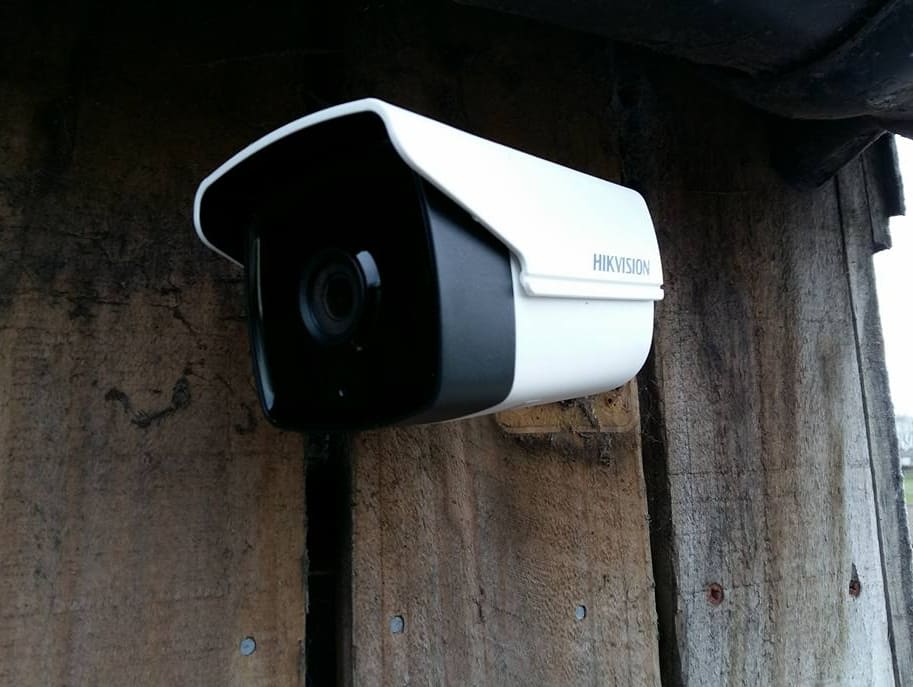
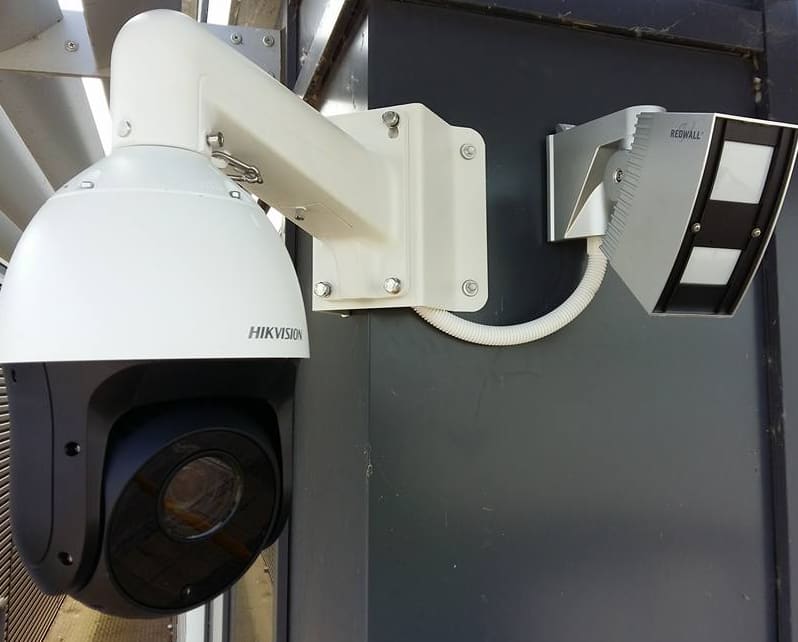
Long-range CCTV. 4K cameras positioned for the job each one has to do, including wide-area coverage of yards and approaches, and identification-quality coverage of key entry points.
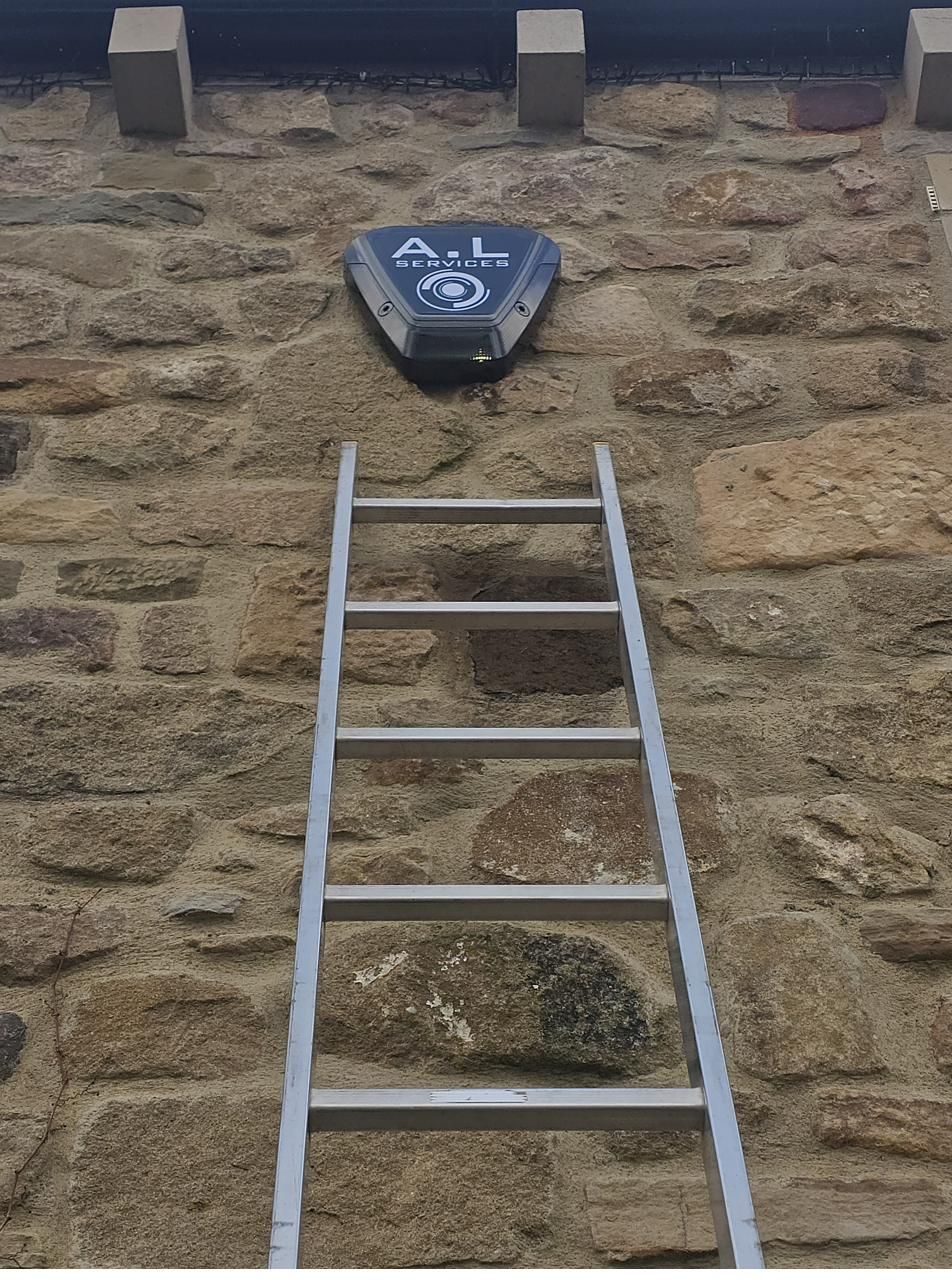
Intruder alarms. Sized to the buildings that need protecting, including outbuildings and workshops that are often left unprotected.
Access control and gates. Controlling who gets onto the site in the first place, which matters increasingly for farms diversifying into storage, rental units or holiday lets — see our access control and automatic gates page.
Machinery and storage strategy. Practical advice on how and where kit is stored to make it genuinely difficult to move off site — often the cheapest and most effective part of the whole job.
What about farms diversifying into storage, rental or holiday lets?
This is increasingly common across the Ribble Valley, and it changes the security picture completely. You suddenly have people you don't know coming onto the site, often outside working hours, and you need to let them in without leaving the whole farm open.
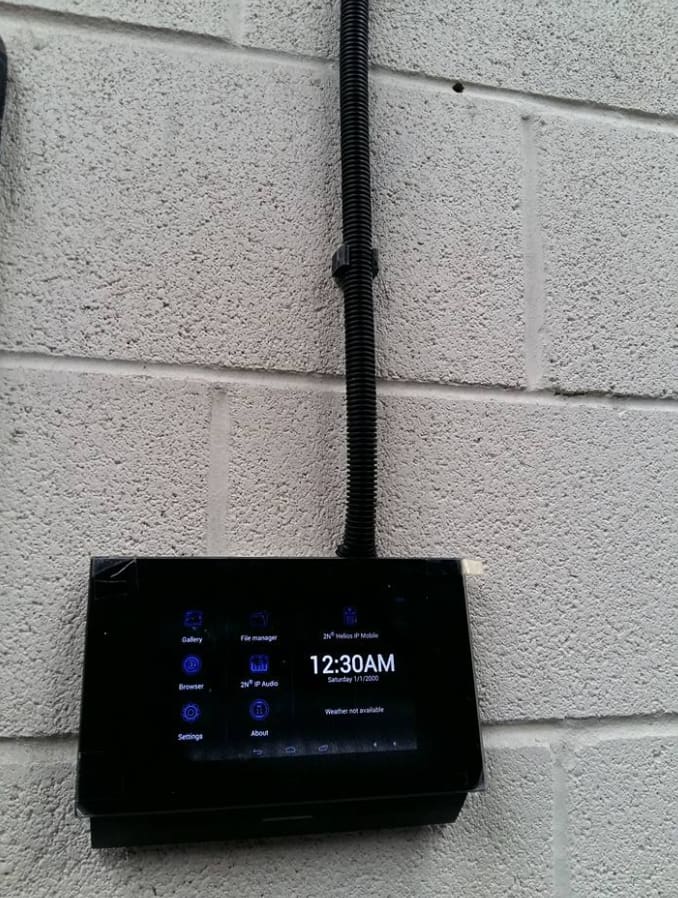
That's where integrated systems earn their money: fob or code access on a gate that lets a tenant in, automatically disarms only the area they're entitled to, logs the entry, photographs the vehicle, and alerts you — while the rest of the site stays protected.
See how this played out on a real site in our Whalley Farm case study.